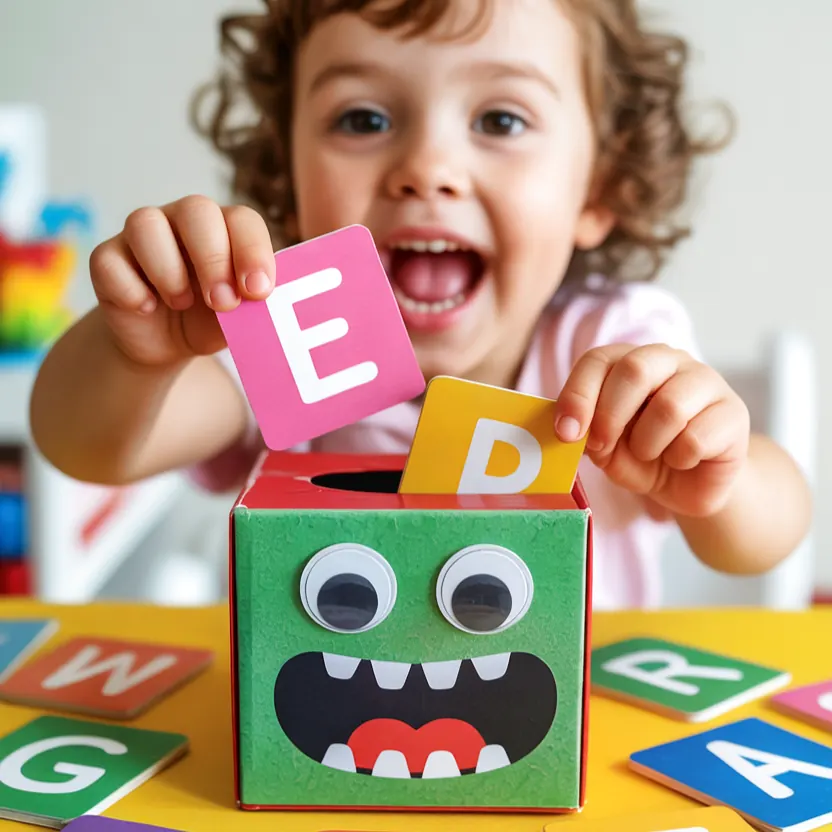
As parents, we're constantly searching for enriching experiences that will help our little ones thrive. We fill their bookshelves with vibrant stories, enroll them in stimulating classes, and curate environments designed for optimal learning. Yet, sometimes, the most profound educational opportunities are hiding in plain sight, disguised as pure, unadulterated fun. This is the magic of secretly educational games for toddlers – activities that build crucial skills without ever feeling like work. Forget flashcards and structured lessons for a moment; when it comes to young children, play isn't just a pastime, it's the primary language of learning.
Toddlers are natural explorers, driven by curiosity and an innate desire to understand their world. Every giggle, every scramble, every imaginative scenario is a building block for cognitive, social, emotional, and physical development. Let's delve into how some of the most popular, seemingly simple, toddler games are, in fact, powerful learning tools.
The Foundations of Fun: Building Cognitive and Physical Prowess
Many classic games engage both mind and body, laying essential groundwork for future academic and life success. They challenge toddlers to think, move, and adapt in delightful ways.
Hide and Seek: Mastering Spatial Awareness and Early Math
At first glance, Hide and Seek might seem like a simple game of discovery, but it's a sophisticated exercise in problem-solving and spatial reasoning. For the "hider," the challenge is to find a spot that offers genuine concealment. Very young toddlers might "hide" by simply covering their eyes, believing that if they can't see you, you can't see them. This adorable stage highlights their developing spatial awareness – the understanding of where objects (and their own bodies) are in relation to other objects and space itself.
- Developing Spatial Skills: As they grow, toddlers learn to assess a space, considering dimensions and sightlines. They figure out that hiding behind a thin lamp won't work, but squeezing under a table might. This ongoing trial and error refines their understanding of three-dimensional space, a foundational skill for everything from drawing to advanced mathematics.
- Counting Practice: The "seeker's" role often involves counting aloud before searching. This provides a fantastic, repetitive, and engaging opportunity for toddlers to practice numbers, sequence, and quantity. Whether counting to ten or twenty, it solidifies numerical recognition and vocalization in a fun, pressure-free environment.
- Memory and Strategy: Seekers also develop memory skills, recalling previous hiding spots and devising strategies for where to look next. Hiders learn to diversify their spots to avoid predictability.
Build a Blanket Fort: Engineering, Collaboration, and Imagination Unleashed
A humble pile of blankets, pillows, and chairs transforms into an architectural masterpiece when a blanket fort comes into being. This is far more than just imaginative play; it's a profound lesson in collaborative problem-solving and basic engineering principles.
- Hands-On Engineering: Gathering materials teaches toddlers about different textures, weights, and sizes. The act of constructing involves physical coordination and gross motor skills as they lift, stretch, and attach fabrics. They grapple with real-world physics: how to create stability, what happens if a blanket is too short, or how to anchor it to prevent collapse. These challenges foster critical thinking and adaptability.
- Collaborative Problem-Solving: Building a fort often requires teamwork. Children learn to communicate their ideas, negotiate different approaches, and work together towards a common goal. This is an invaluable lesson in cooperation and social interaction.
- Igniting Imagination: Once the fort is built, it becomes a canvas for endless imaginative play. It can be a spaceship, a dragon's lair, a cozy reading nook, or a secret clubhouse. This kind of open-ended play is crucial for developing narrative skills, language, creativity, and the ability to project themselves into different roles and scenarios. Grab a flashlight and watch it instantly become a "torch" in their make-believe world! It’s a wonderful example of how play builds strategic skills.
Nurturing Social & Strategic Minds: Patience, Listening, and Impulse Control
Beyond physical and cognitive growth, many secretly educational games for toddlers are powerful catalysts for social-emotional development, teaching vital lessons in interaction and self-regulation.
Duck, Duck, Goose: Strategic Thinking and Social Etiquette
This classic circle game is a masterclass in strategic thinking and social dynamics. The child designated as the "goose" walking around the circle isn't just randomly tapping heads; they're making a calculated decision.
- Developing Strategy: The "goose" must choose another child they believe they can outrun to get back to the empty spot. This requires thinking ahead, weighing options, and understanding cause and effect. If they are tagged, they sit down, and the new "goose" takes over, fostering a natural consequence to their strategic choice.
- Patience and Listening: For the children sitting in the circle, the game teaches patience as they wait for their turn. It also hones their listening skills, as they must pay close attention to avoid being caught off guard when selected.
- Understanding Rules and Turns: Duck, Duck, Goose reinforces the concept of rules and taking turns, fundamental aspects of social play and interaction. It also subtly introduces the idea of competition and good sportsmanship.
Red Light, Green Light: Mastering Impulse Control and Focus
For parents of energetic toddlers, "Red Light, Green Light" might just be your new best friend. This game directly targets two crucial executive function skills: impulse control and sustained attention.
- Cultivating Impulse Control: Toddlers are naturally impulsive; their brains are still developing the pathways that allow for self-regulation. Red Light, Green Light forces them to actively *stop* their bodies and *resist* the urge to move when "Red Light" is called. This repeated practice strengthens their ability to pause, think, and control their actions.
- Enhancing Listening Skills and Focus: The game demands keen listening to distinguish between "Red Light" and "Green Light." Children must pay close attention to the verbal cues and visual signals, improving their auditory processing and ability to focus amidst excitement. Those who master their impulses and pay close attention gain an advantage, moving further during "Green Light" phases.
- Body Awareness: Moving quickly and then freezing instantly also improves body awareness and gross motor control. It teaches them to command their physical self.
Beyond the Living Room: Digital Learning & Balanced Play
In our modern world, the definition of play has expanded to include digital experiences. When used thoughtfully, online platforms can also be part of a toddler's secretly educational games for toddlers repertoire.
Sites like OWLIE BOO offer free online educational games specifically designed for the youngest learners, typically aged 1 to 5. These platforms aim to stimulate curiosity and learning, providing a simple, safe, and fun introduction to technology. They often progress from very simple activities to slightly more complex learning games, ensuring engagement without overwhelming young minds. Key benefits include:
- Early Digital Literacy: Introducing toddlers to technology in a controlled, educational environment helps them develop basic computer literacy skills like mouse control or touch-screen interaction.
- Cognitive Stimulation: Many games focus on pattern recognition, matching, basic counting, and cause-and-effect, all of which are vital for cognitive development. They can help with problem-solving in a new medium.
- Accessibility: Educational videos and mobile apps mean learning can continue anytime, anywhere, supplementing traditional playtime.
However, it's crucial to remember that online educational games should always be a supplement, not a replacement, for hands-on, interactive, and physical play. A balanced approach ensures comprehensive development. Parents should always supervise screen time and choose ad-free, age-appropriate platforms that align with their child's developmental needs.
Conclusion: Embrace the Power of Play
The next time you see your toddler engaged in what looks like simple play – whether they're scrambling to find a hiding spot, meticulously arranging pillows for a fort, or excitedly running during "Green Light" – remember that they are doing far more than just having fun. They are actively building their brains, refining their social skills, mastering their bodies, and developing the critical thinking abilities that will serve them throughout their lives. These secretly educational games for toddlers are powerful tools in your parenting arsenal. So, take a moment, get down on their level, and join in the magnificent, messy, and marvelously educational world of toddler play. It's the best "school" they'll ever attend.
